


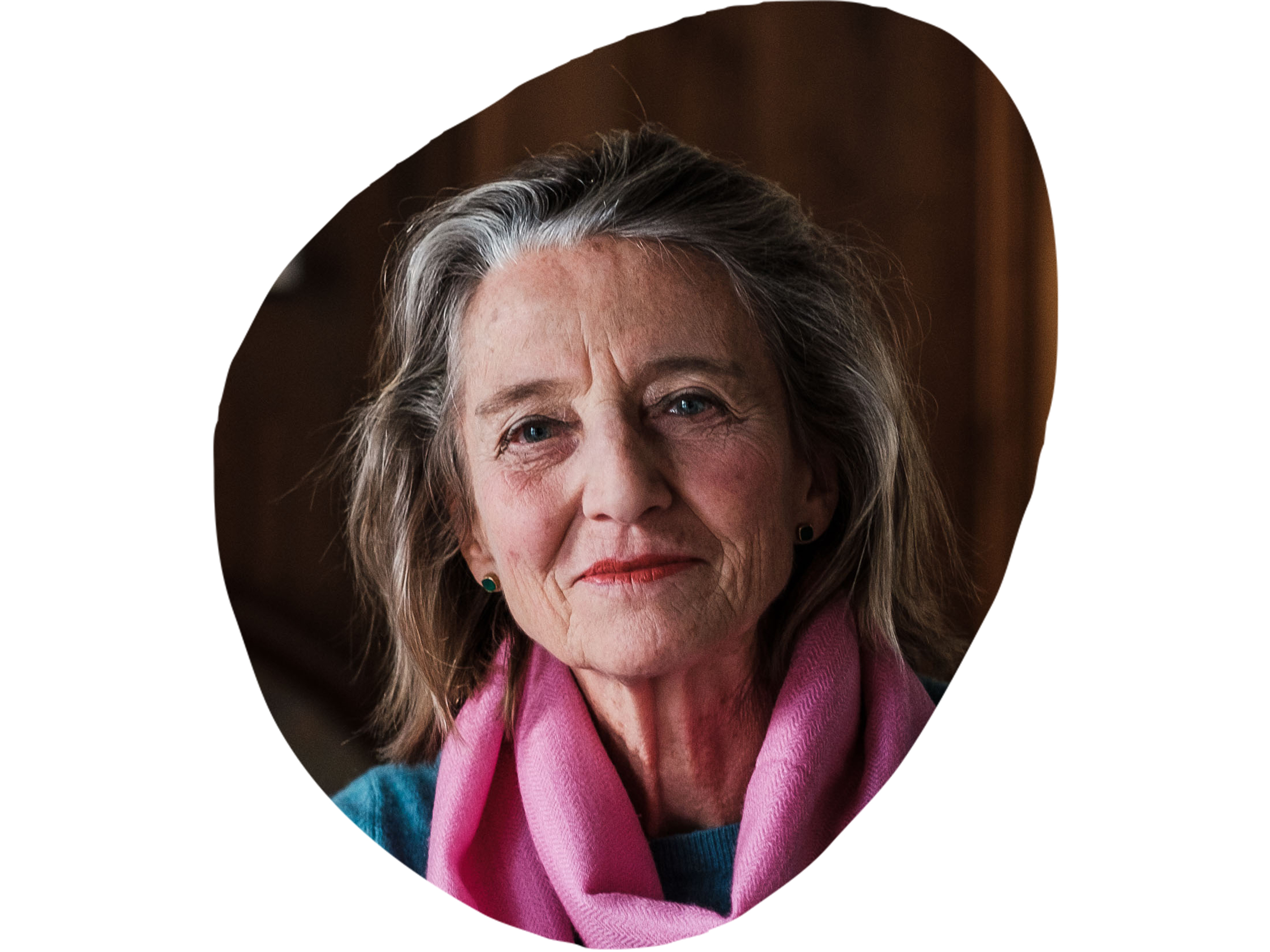
«All the activities I have initiated in Indonesia serve the orangutans, the protection of the tropical rainforest – their habitat – and environmental education as a vital tool in nature and environmental conservation.»
Regina Frey, founder of PanEco
1973 – The Beginning
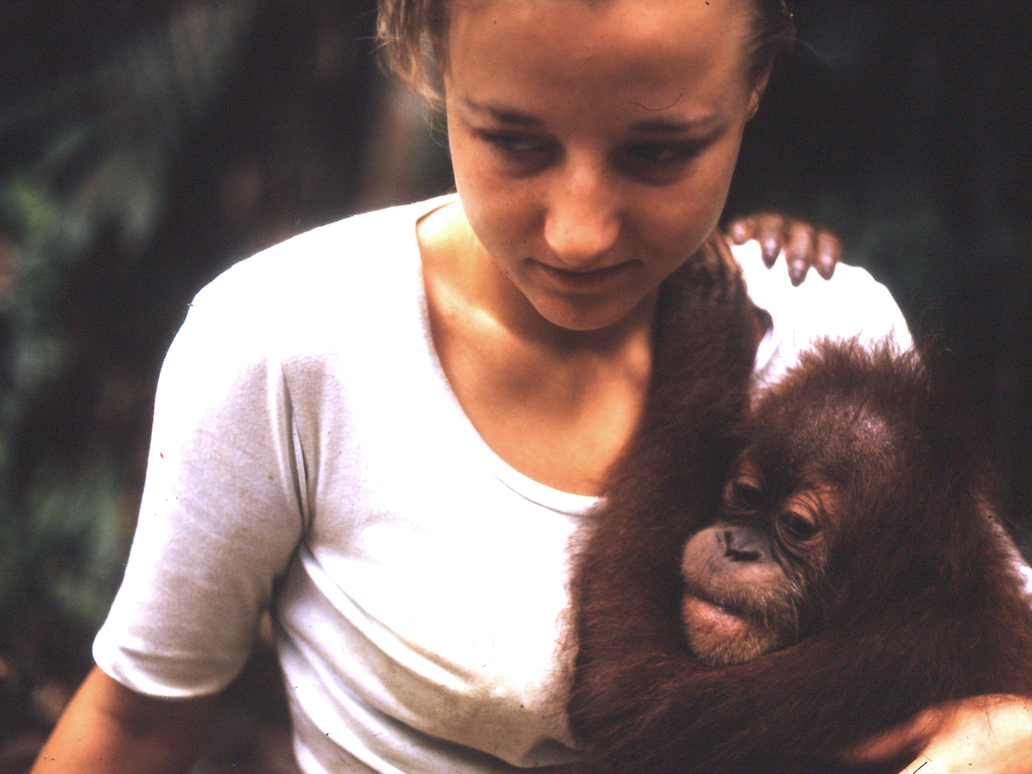
Regina Frey was a newly graduated biologist when she travelled to Sumatra on behalf of the Frankfurt Zoological Society and the WWF International. On the edge of Leuser National Park, she worked with Monica Borner to set up a reintroduction centre for orangutans that had been confiscated from illegal captivity. Prior to this, she had completed her thesis on roe deer in the Swiss Mittelland under the super-vision of Dr Fred Kurt at the Institute for Wildlife Research. The plan was for a one-year stay, which turned into ten. What began as a temporary assignment developed into her life’s work. It continues to shape her actions to this day, and it laid the foundation for PanEco. During this period, Regina Frey not only gained a deep understanding of orangutans and their habitat, but also acquired a thorough knowledge of Indonesian culture, language and society. At the same time, a valuable network was built up which still underpins our work and is continually being expanded by the foundation.
1978 – Environmental education as the key
During her work at the reintroduction centre near Bukit Lawang, Sumatra, it soon became clear to her that sustainable rainforest conservation would not be possible without environmental education. For Regina, who had grown up in the countryside, it was not enough simply to tackle the symptoms by rescuing orangutans from illegal captivity, caring for them and releasing them back into the wild. She wanted to tackle the root causes. The vision of an environmental education centre emerged, where the threatened rainforest ecosystem and the causes of its destruction would be comprehensively explained and com-municated in a way that would be accessible to all.
The dream of an environmental education centre
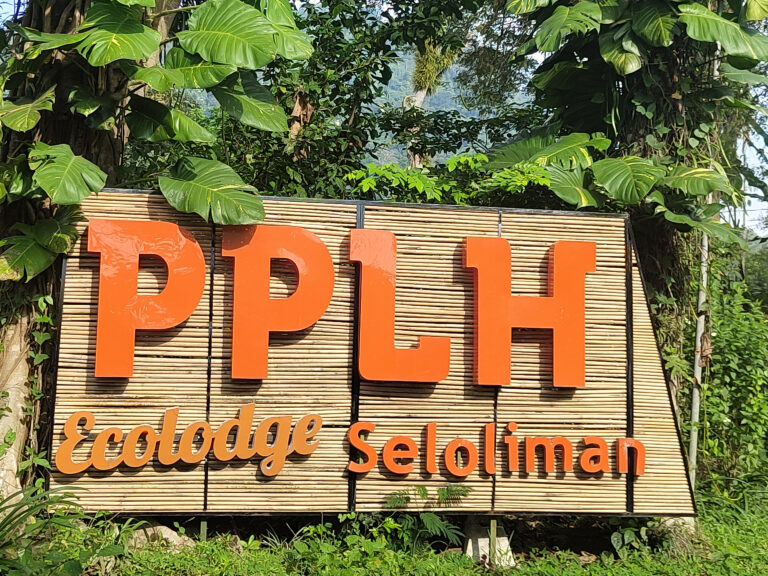
The search for a suitable plot of land for the environmental education centre proved not at all easy. It was not until 1983 that she managed to purchase a five-hectare plot at a reasonable price near the me-tropolis of Surabaya. Here the long-cherished dream of the environmental education centre (abbreviation in Indonesian: PPLH) came true. Regina, together with like-minded people, founded a local foundation, and the WWF took on the financing of the PPLH Seloliman. Prince Bernhard, Prince consort of the Neth-erlands and husband of Queen Juliana, attended the inauguration ceremony on 15 May 1990 as Presi-dent of the WWF.
Organic farming and training of multipliers
Regina secured the active involvement of organic horticulture pioneer Ursula Güdemann for the Seloli-man project. They identified around a dozen young farming families from the surrounding villages who were interested in organic farming. From these families the first team of the PPLH Seloliman was recruit-ed. From then on, Ursula travelled regularly to East Java and advised the team on planning the site. Soon they created a miniature rainforest as well as a medicinal plant, vegetable and fruit garden. She trained around a dozen local farmers in organic farming, including composting, and she laid the foundations for a seed bank for traditional rice varieties. Since then, the PPLH has continued to develop steadily. After 1996 it has been under the leadership of Ahmed (Pak) Suroso.
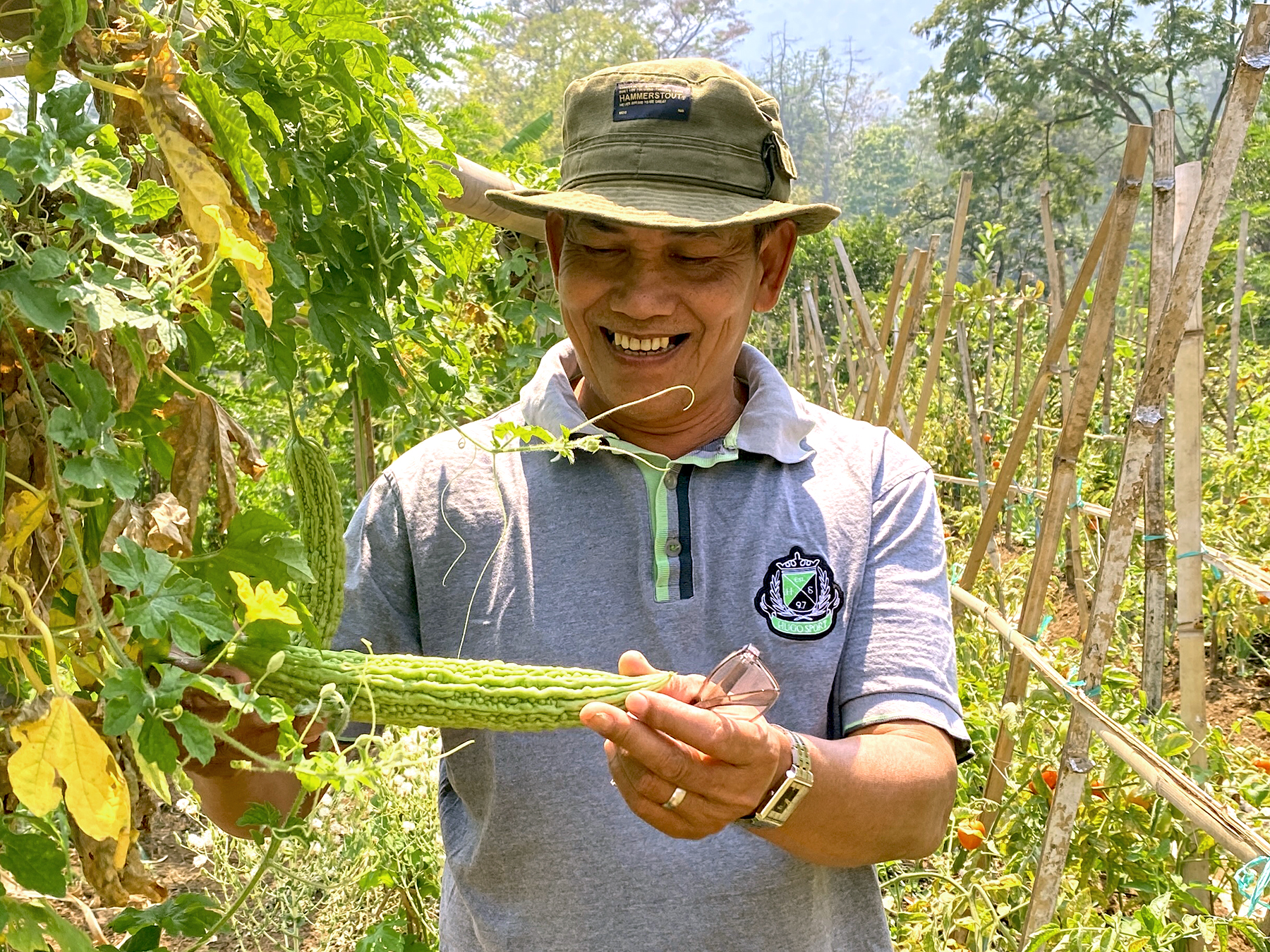
PPLH Seloliman today
The PPLH Seloliman welcomed 90 schools and company outing groups to its organic gardens in 2025. More than 20,000 guests have visited the education centre to date. A wide range of activities is available to them with suitable accommodations for large groups. These often comprise over 100 schoolchildren or adults. The restaurant, with its basic kitchen facilities, serves the guests fine local dishes made from ingredients sourced from its own garden and surrounding farms. Indonesian and international tourist groups also visit Seloliman and enjoy its secluded gardens. Currently, the PPLH Seloliman is working with PanEco to develop plans to enable the environmental education centre to keep evolving.
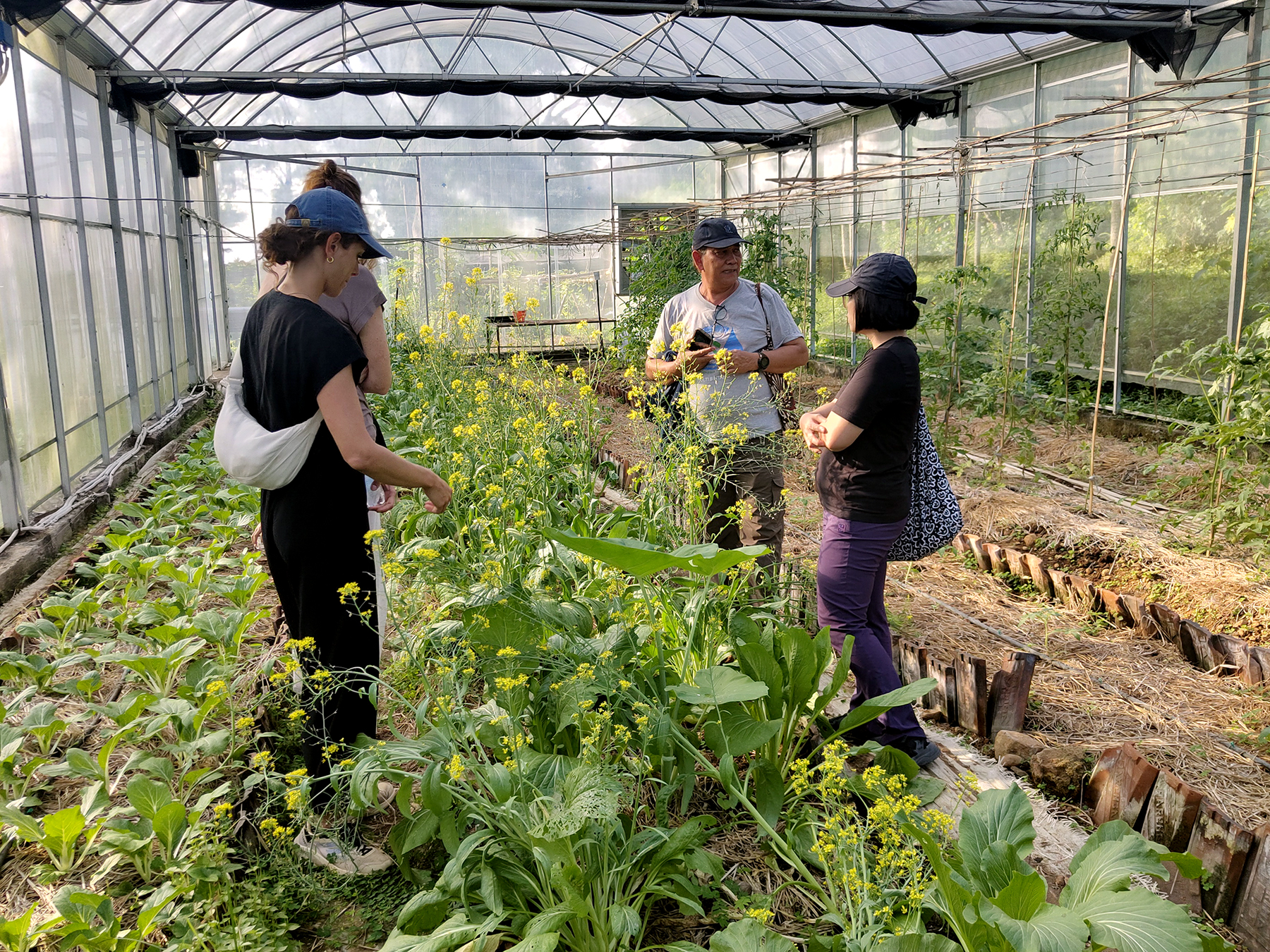
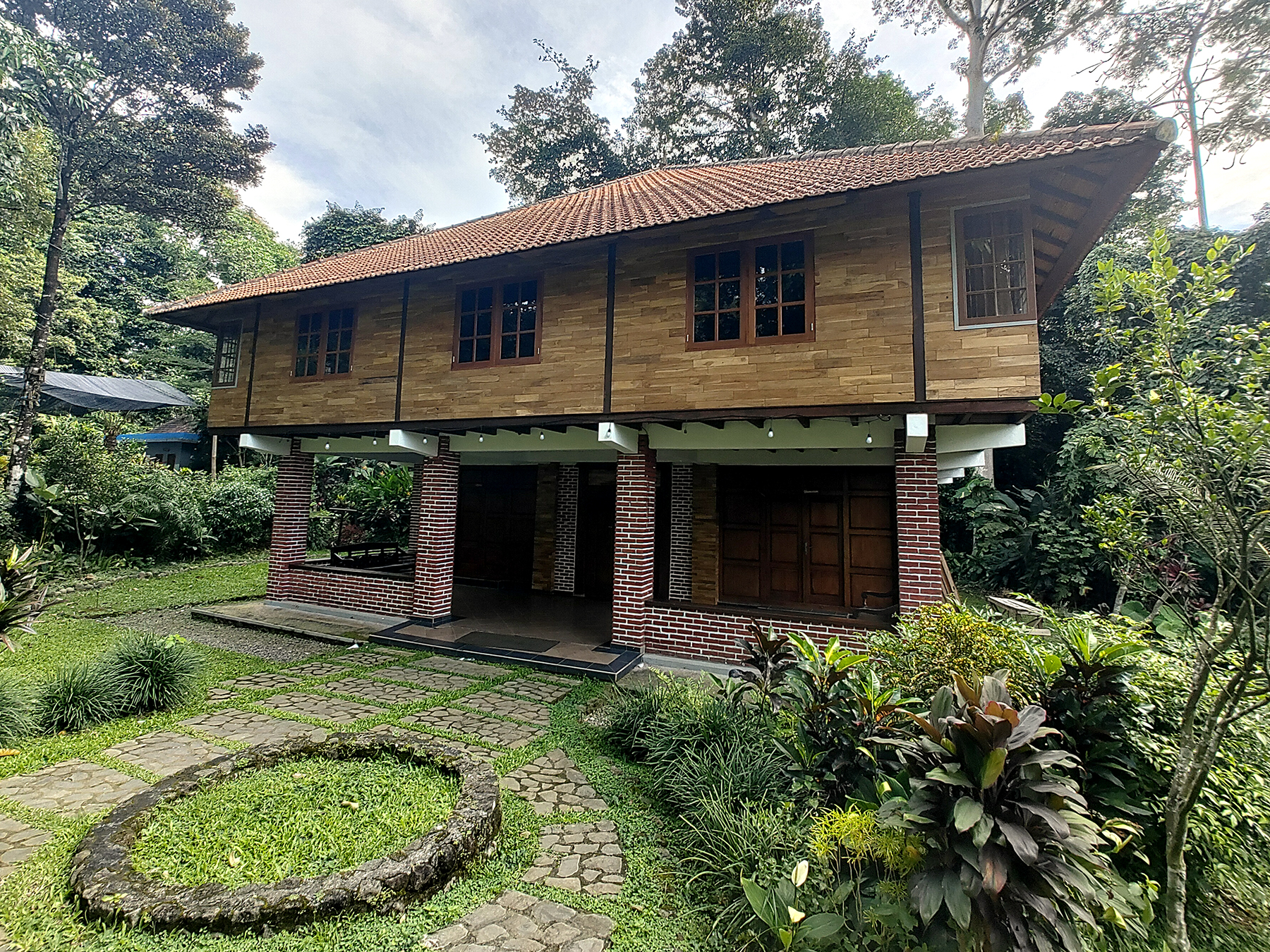
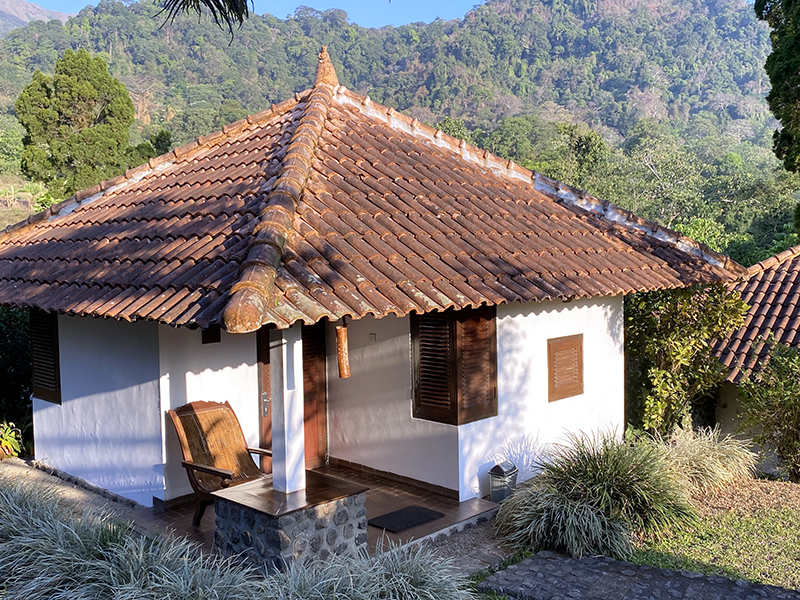
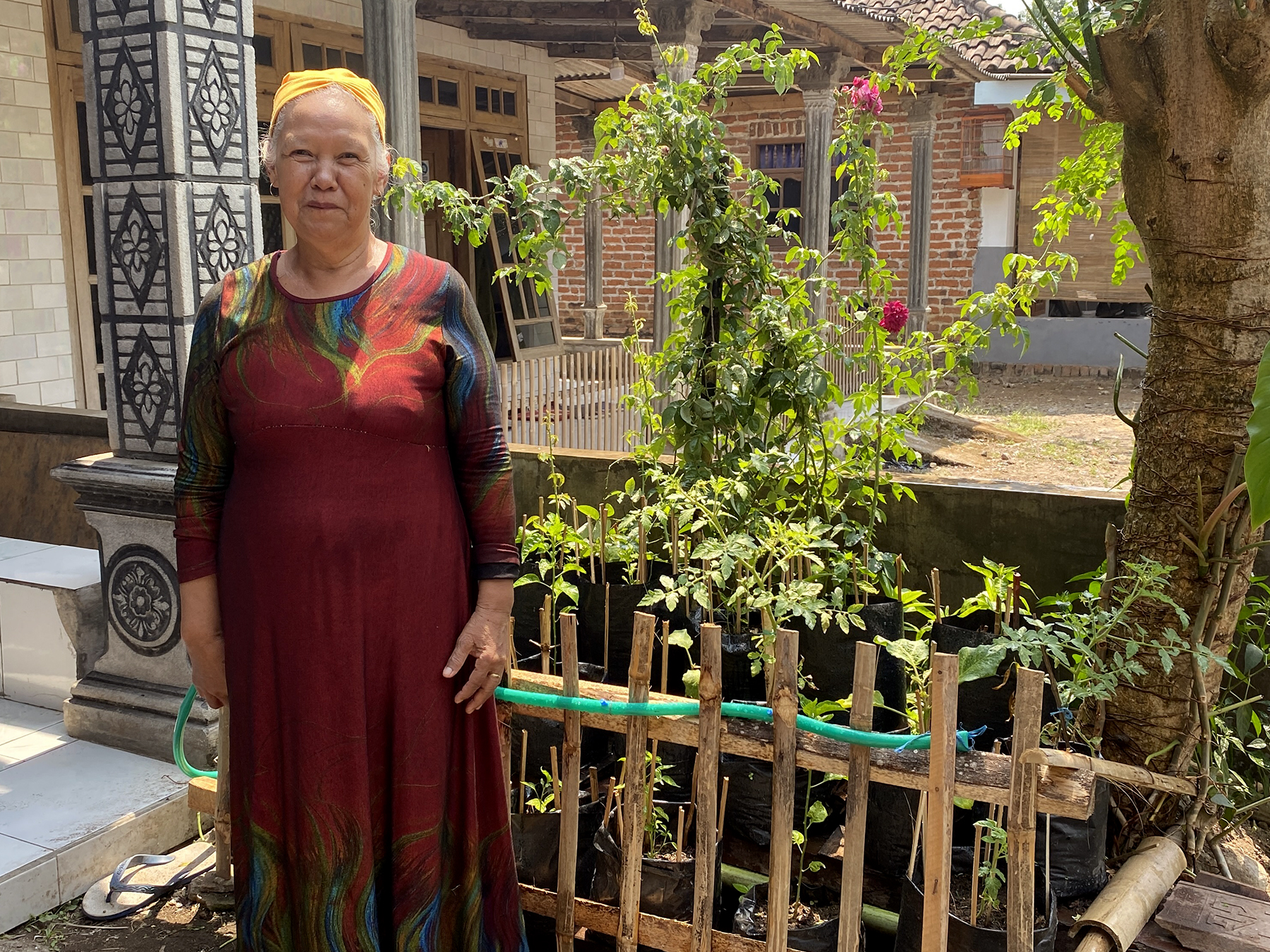
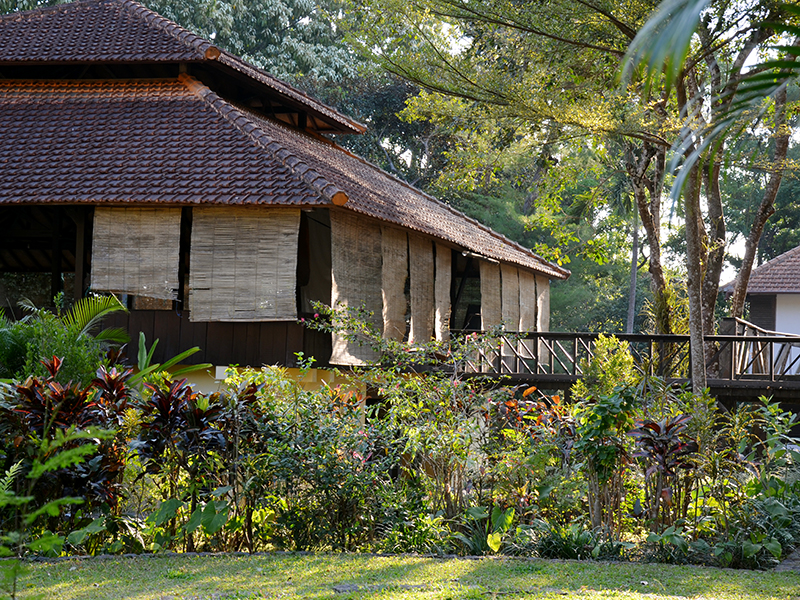
Pictures clockwise: Pak Suroso shows tourists the greenhouse, a group accommodation for around 50 people, a bungalow for two people, and a proud local farmer from the project, who is showing off her seedlings in the courtyard garden.
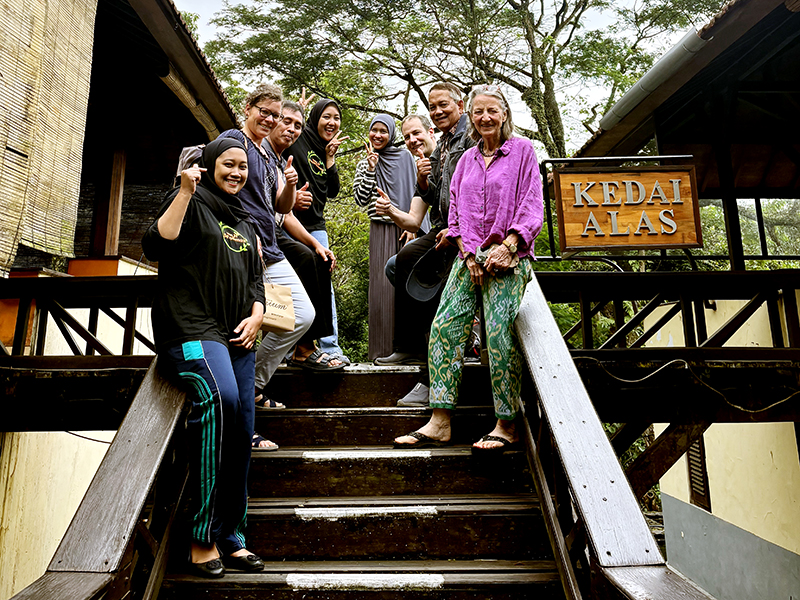
Regina Frey (far right) still visits the PPLH Seloliman and meets with Pak Suroso and his team regularly. Also present in February 2026: co-managing directors Loredana Sorg (2nd from left) and Martin Schmid (3rd from right).