


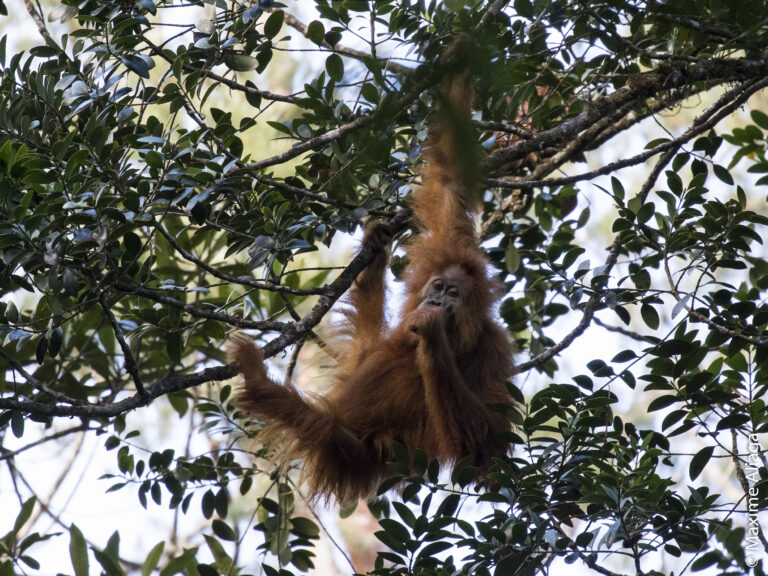
Scientists from our partner organisation YEL published in june 2026 a study on the population size and density of orangutans living on Sumatra. It was carried out as part of our Sumatra Orangutan Conservation Programme (SOCP) in Indonesia. The study shows that both species known to inhabit Sumatra have declined since the last census in 2011. Between 2021 and 2023, scientists collected data across the entire ranges of both species in the provinces of Aceh and North Sumatra. These were compared with the data of the 2011 survey. Both the Sumatran orangutan (Pongo abelii) and the Tapanuli orangutan (Pongo tapanuliensis) were already critically endangered according to previously available figures.
The situation has now worsened further. According to the survey, the number of Sumatran orangutans now stands at just 11,694 individuals. This represents a decline of 19.5 per cent over eleven years, or approximately 1.8 per cent per year. For the Tapanuli orangutan, the study represents the first systematic population survey; with 716 individuals, the species has no demographic buffer against additional mortality.
Deforestation as the main cause
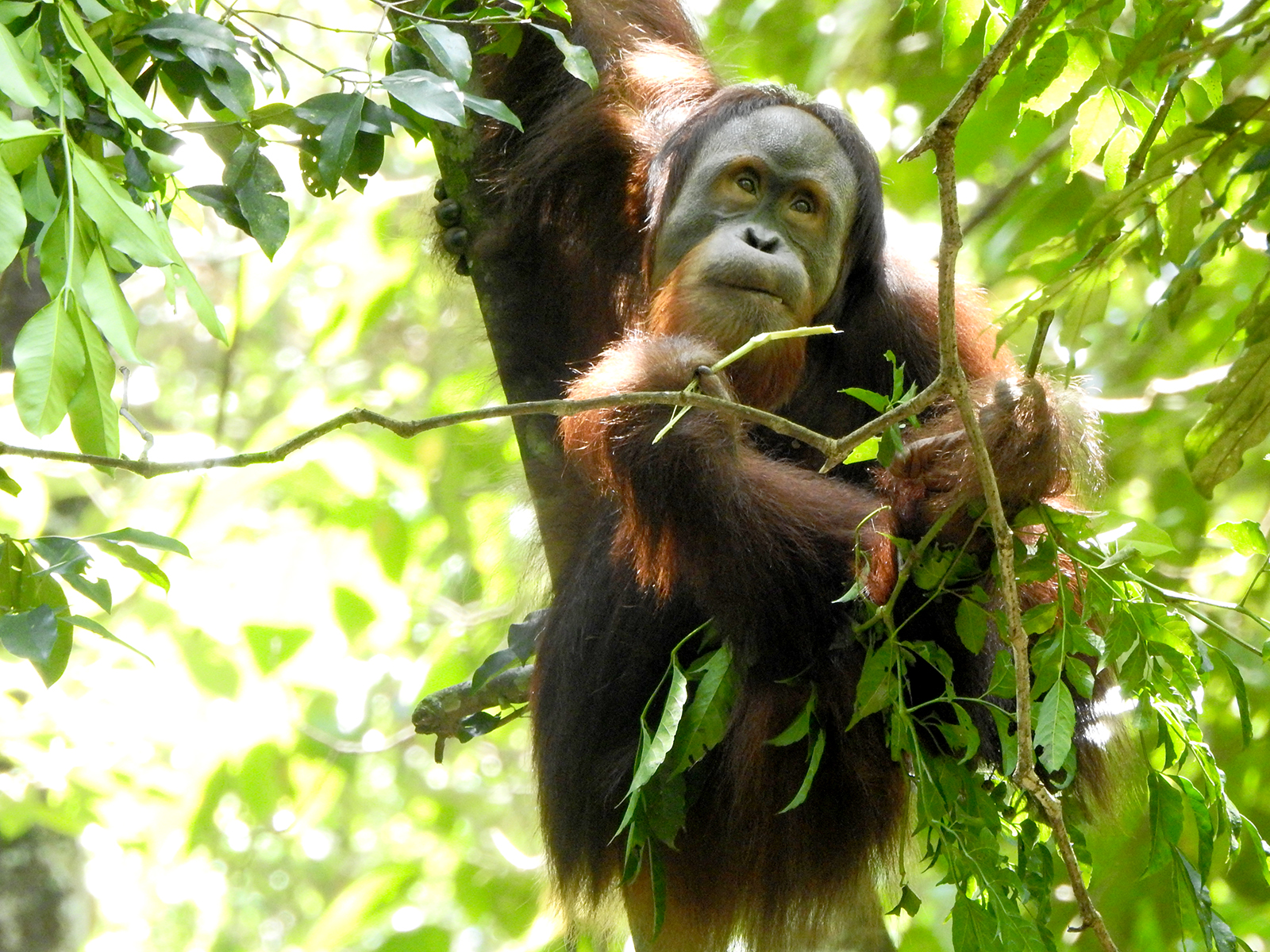
According to the study, the factors most conducive to the presence of orangutans are favourable forest structures and low human population density. Forest loss accounts for 76 per cent of the population change across the entire geographic range. Between 2011 and 2023, a total of 94,399 ha of forest was lost within the range (roughly equivalent to the area of the canton of Thurgau), representing 4.6 per cent of the total forested area. Although annual loss rates fell between 2011 and 2016, they rose again from 2023 onwards. With a deforestation rate of 50.9 per cent of the 2011 forest area, forest loss was highest in the Tripa peat swamp forest; this was predominantly due to new palm oil plantations.
Wildlife trade, killings and other causes
In some habitats, particularly Batu Ardan and Siranggas, the number of orangutans has declined much more sharply than habitat loss alone would suggest. This indicates that the decline in the population in these areas is also caused by factors unrelated to habitat loss: killings, illegal wildlife trade and human–wildlife conflicts on agricultural land. The long reproductive intervals of orangutans, coupled with a long developmental phase until they reach reproductive maturity, also mean that even a moderate increase in mortality can drive populations towards extinction. Experts estimate that the annual mortality rate caused by killings alone significantly exceeds the sustainable demographic thresholds for both species. Together with habitat loss, this makes decisive action by all stakeholders more urgent than ever.
Rare Tapanuli orangutans
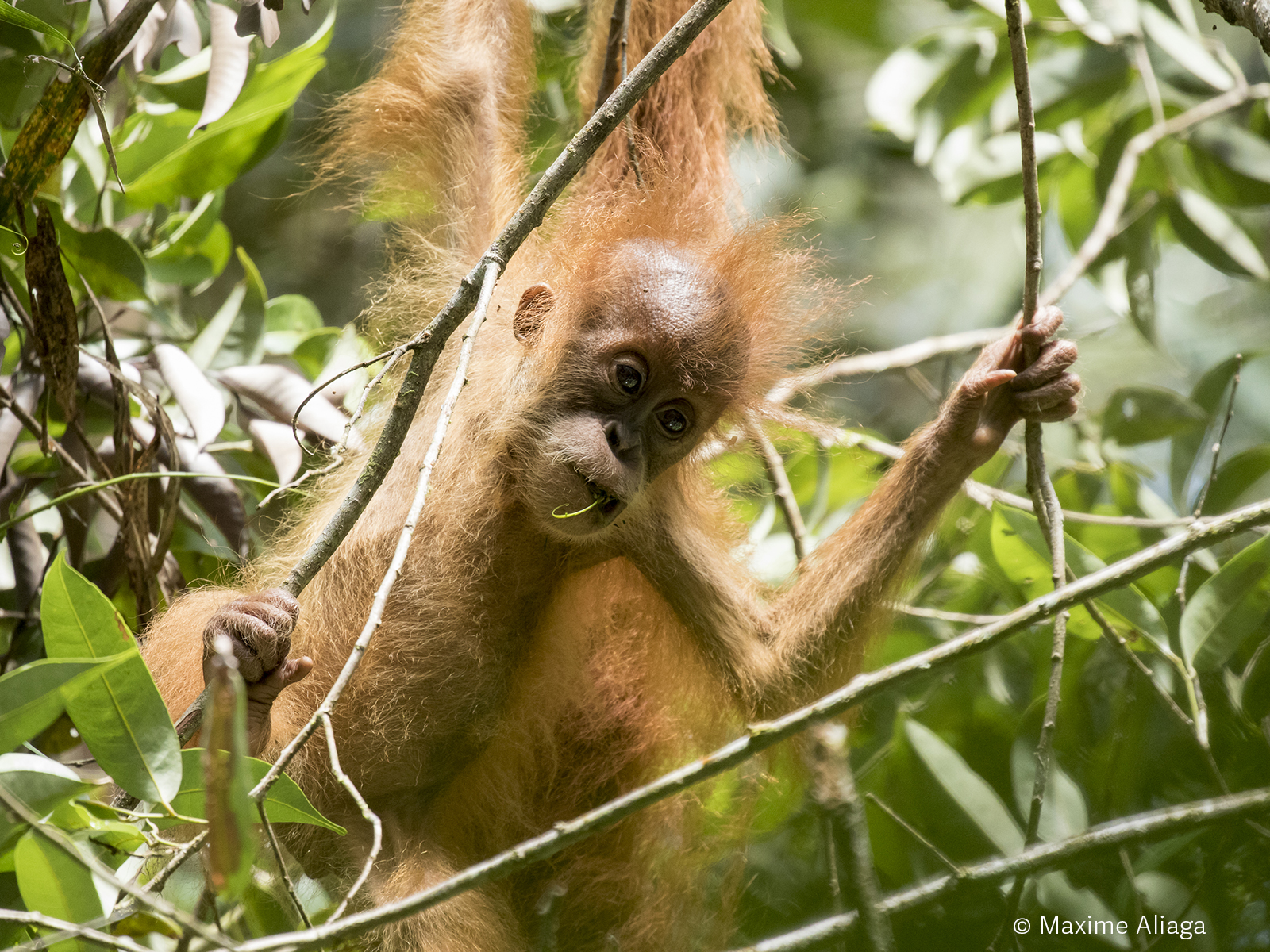
With a population of only 716 individuals, Tapanuli orangutans are acutely vulnerable to random (natural) events, genetic bottlenecks and the ongoing fragmentation of their habitats. Specific threats to the species currently include a hydroelectric project that will divide their territory, a gold mine and the clearing of forest areas to convert them into agricultural land. A further decline in population size would greatly increase the risk of extinction. Conservation measures should therefore aim to reduce additional mortality to zero.
However, the forests in which they live have varying levels of protection. In the Kawasan Konservasi area the orangutans enjoy the strictest protection under Indonesian law. It is home to 38.5 per cent of Sumatran orangutans and 9.5 per cent of Tapanuli orangutans. In other protected forests (Hutan Lindung), the figures are 43.4 per cent and 78.6 per cent respectively. The remaining animals live in production forests and other areas where there are humans. Here habitat protection is not ideal. However, simply designating an area as a protected area is not enough. The law must be enforced, fragmented sub-populations must be reconnected, and targeted measures in unprotected areas must be stepped up to counteract further decline.
Urgent action required
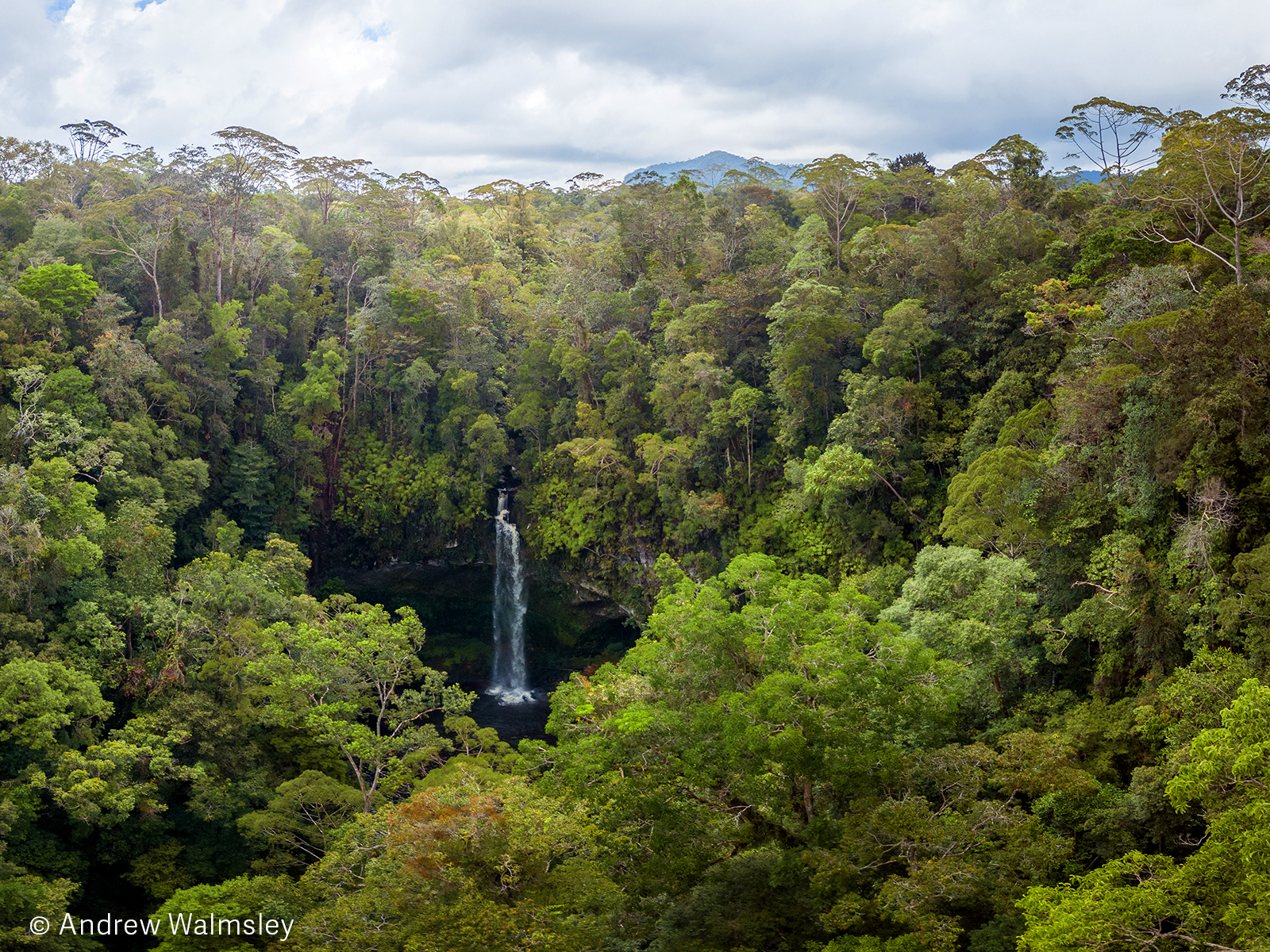
Our efforts to protect nature and species in Indonesia in collaboration with our partner organisations, together with the measures taken by the authorities, have measurably slowed the decline in orangutan numbers in some regions. However, they have not been sufficient to halt it.
For us, this means that our commitment is more urgently needed than ever. Through our holistic approach to rainforest conservation, our collaboration with local communities and government bodies, and the rehabilitation and reintroduction of orangutans rescued from captivity or treated for injuries, we are making a direct contribution to the conservation of the species. At two suitable sites within forest conservation areas, we are working with YEL and the Frankfurt Zoological Society to establish two new, genetically diverse and therefore viable orangutan populations. In this way, we can at least slow down the decline and, hopefully, stop it completely in the future.
Source: Adhi N. Hadi, Julius P. Siregar, Nunu Anugrah, Wanda Kuswanda, Joy H. Boang Manalu, Nursaniah Nasution, Rahmad Fauzan, Novita K. Wardani, Subhan, Ujang W. Barata, Dede A. Rahman, M. Yakob Ishadamy, Susandro F. Sitorus, Noviar Andayani, Jatna Supriatna, Serge Wich, Hjalmar S. Kühl, Benjamin J.W. Buckley (2026). Population status of Sumatran and Tapanuli orangutans: A comprehensive assessment 2021–2023, Global Ecology and Conservation, Volume 69, 2026.